The Unknown History of Darts: From Medieval Pastime to Global Show
Today, darts evokes packed arenas, players nicknamed "The Power" or "Mighty Mike", an electric atmosphere and millions in prize money. Yet its roots are much more modest. How did this simple game of skill become the phenomenon we know?
1. Origins: Medieval Archers' Training
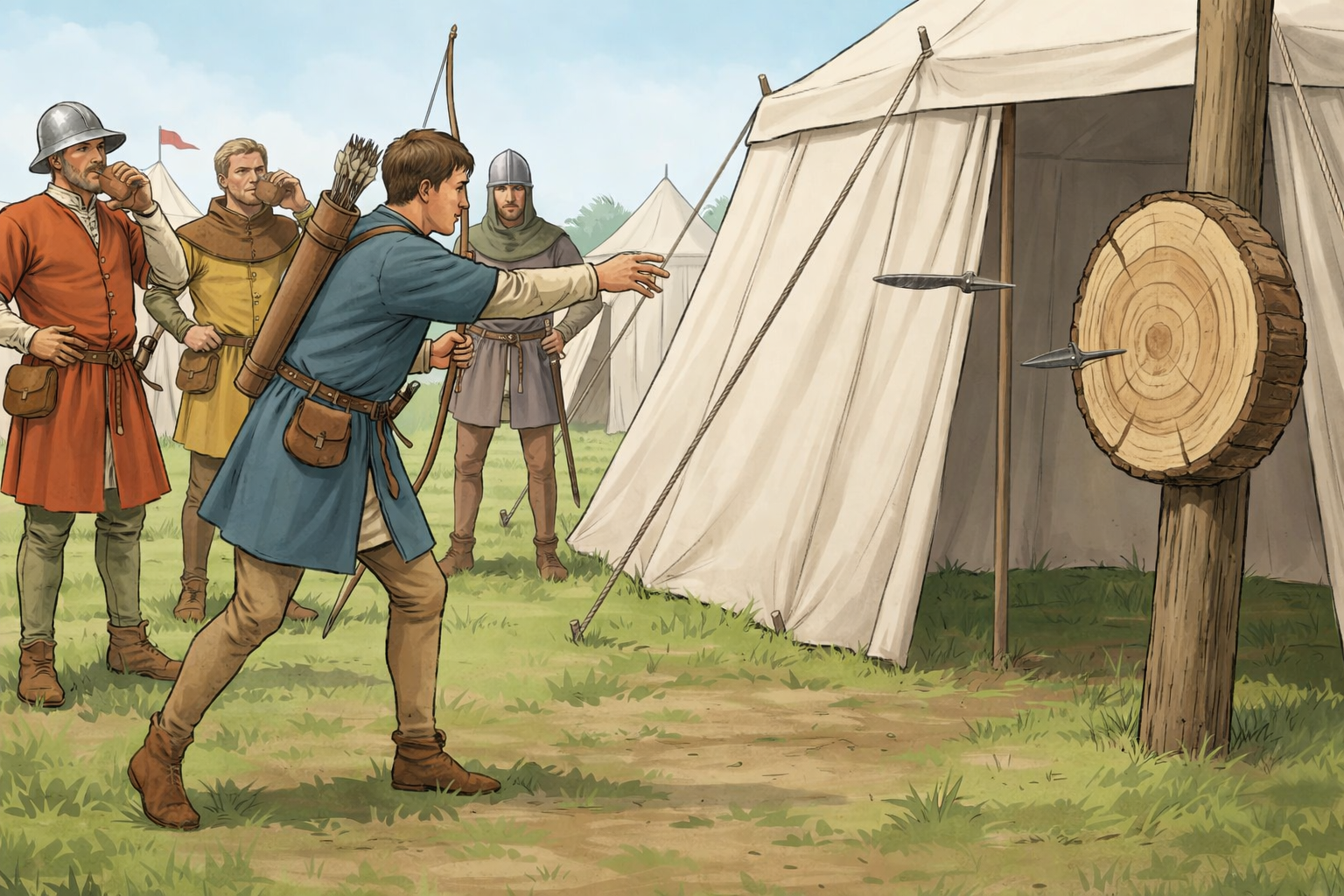
It is commonly accepted that darts was born in England during the medieval period. The story goes that the game was a direct derivative of archery, a vital skill for the English army of the time.
Between battles, or during the long winter months when outdoor training was impossible, archers sought to maintain their dexterity while staving off boredom. They would have started shortening their arrows to throw them by hand at an improvised target.
What was this target? Most likely the bottom of a wine barrel or a slice of tree trunk. The natural growth rings of the wood provided ready-made concentric scoring zones.
2. The Victorian Pub and the Modern Dartboard
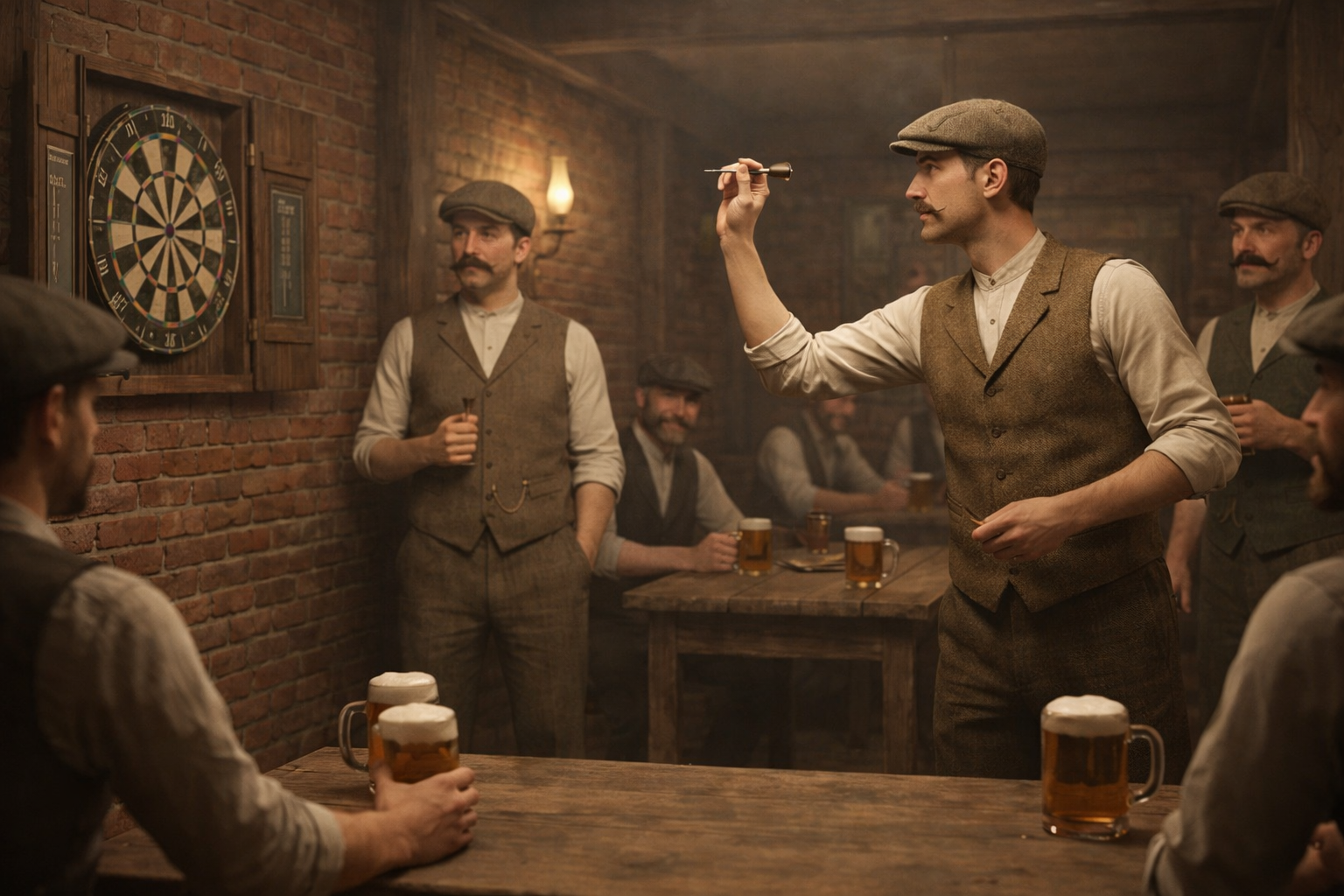
The game gradually left the military camps to settle where the English spent most of their free time: the pub. It was at the turn of the 19th and 20th centuries that the game became standardized.
The genius of Brian Gamlin
Initially, targets were just circles. The introduction of numbering as we know it today is attributed to a carpenter from Lancashire named Brian Gamlin, in 1896. His idea was genius: penalize imprecision. By placing small numbers next to large ones (1 and 5 next to 20), he made the game more strategic and less dependent on luck.
The legality of the game
A famous anecdote tells that in 1908, a pub owner in Leeds was taken to court because games of "chance" were prohibited. To prove that darts was a game of skill, the best player in the region was summoned to court. He aimed and hit the 20 sector three times in a row, proving the game required talent. Darts was declared legal!
3. Modern Era: From Television to the Historic Split
After World War II, the popularity of darts exploded. The arrival of television in the 70s-80s propelled the game into another dimension, with colorful characters like Eric Bristow.
1992: The birth of show-business
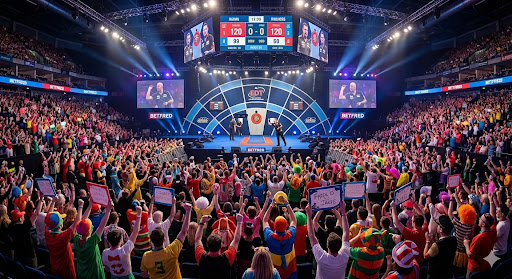
The major turning point in recent history occurred in 1992-1993. The world's best players, dissatisfied with the management of the historical federation, decided to create their own organization: the PDC (Professional Darts Corporation). Under the impetus of visionary promoters, the PDC transformed the game. Gone is the quiet, smoky atmosphere of pubs: enter giant arenas, entrance music worthy of wrestling, costumes in the crowd, and an ultra-dynamic television production.
Conclusion
From tree trunks used by idle soldiers to the electrifying scenes of London's Alexandra Palace, darts has come an extraordinary way. It has evolved, professionalized, and conquered the world without ever losing its soul: that of a simple, friendly, but devilishly demanding game, where millimeter precision can turn a game around in a split second.
Also read: